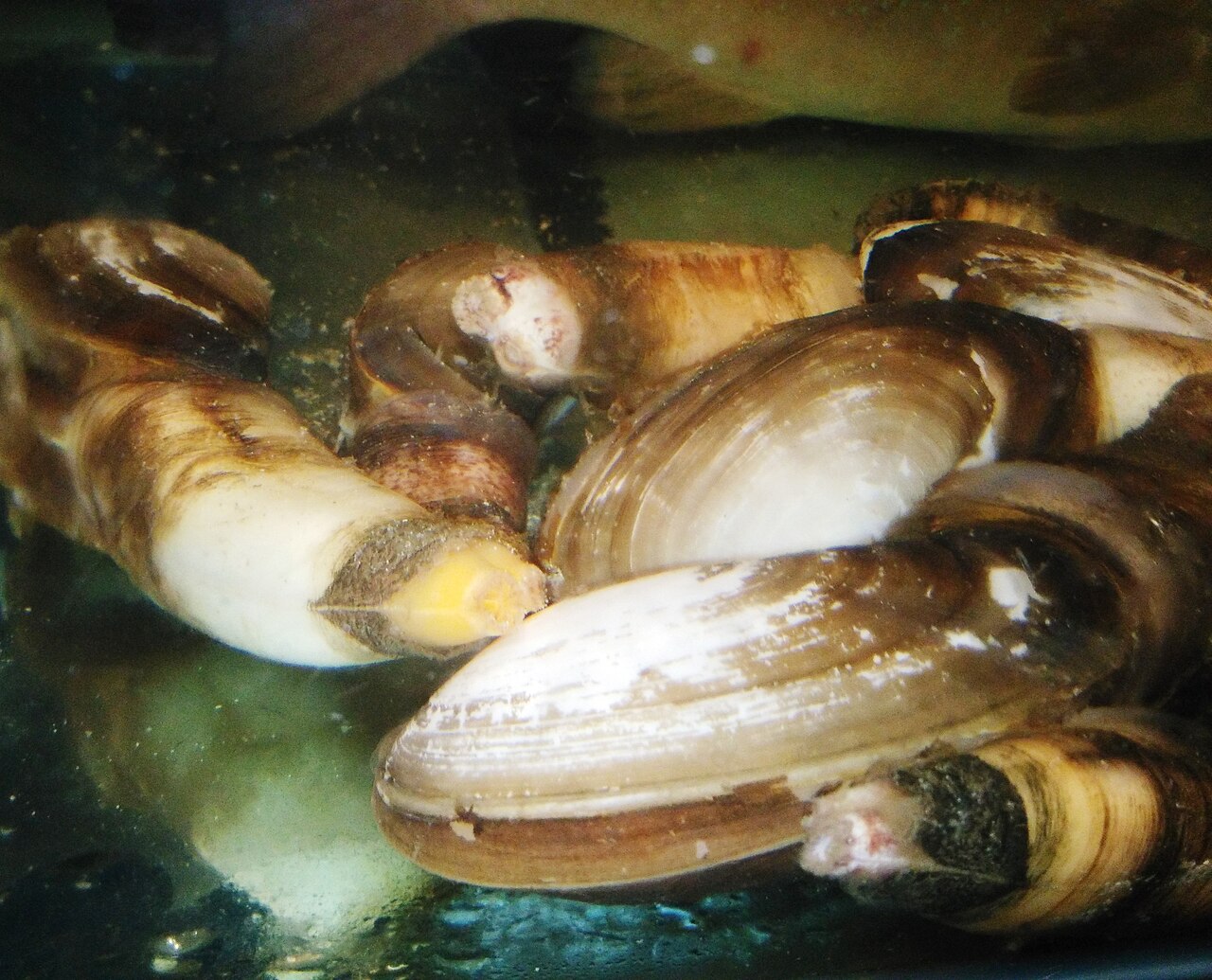
Long and slender, with a slightly rough shell, tu hài is typically blanched and dipped in wasabi soy sauce or cooked into porridge, with a crisp, springy texture and a lingering sweet brininess — this is one of Cat Ba Island's signature seafood items, and something visitors to the island are often steered toward.
Cat Ba Island's signature seafood
VnExpress Du Lịch's feature '6 Specialties of Cat Ba Island' lists tu hài as one of the island's representative seafood items; independent travel and lifestyle outlets — including Giadinh.suckhoedoisong.vn, part of the Sức Khỏe & Đời Sống media group — and Sun World's official Cat Ba Island page cross-reference the same entry. Its Vietnamese folk name, ốc vòi voi ('elephant-trunk snail'), is a misnomer: biologically it's a bivalve, not a snail, and it resembles the North American geoduck in shape. The Cat Ba variety is noted for firmer flesh than tu hài from other regions, attributed to the island's clean water and favorable farming conditions.
Honest note: wild stock is scarce, most on the market is farmed
Here's something worth stating honestly: wild tu hài has grown scarce due to overharvesting, and most of what's sold on the market today is farm-raised. That doesn't mean this seafood isn't worth eating — it's a reminder that when buying or ordering, it's worth checking for source labeling and supporting shops or vendors with traceable farming records, which is the more responsible way to support sustainable use of marine resources.
How to Eat It at Its Sweetest
- Blanched and dipped in wasabi soy sauce is the most common way to taste it at its purest.
- It also works well simmered into porridge, where the flesh absorbs the rice's aroma for extra depth.
- The cluster of seafood restaurants along the island's shore usually lets you pick your own and have it cooked fresh — a good freshness guarantee.
An Honest Look at the Sustainability Issue
- Wild tu hài has grown scarce due to overharvesting, and most sold today is farm-raised.
- When buying or ordering, check whether the shop labels its source, and support vendors with traceable farming records.
- This is a sustainability challenge facing Cat Ba's overall seafood resources, not a problem specific to any one shop.
A plate of Cat Ba geoduck-like clam offers the firm, fresh taste bred by the island's clean waters — but the reminder about scarce wild stock is worth remembering too. Eat with pleasure, and eat responsibly.