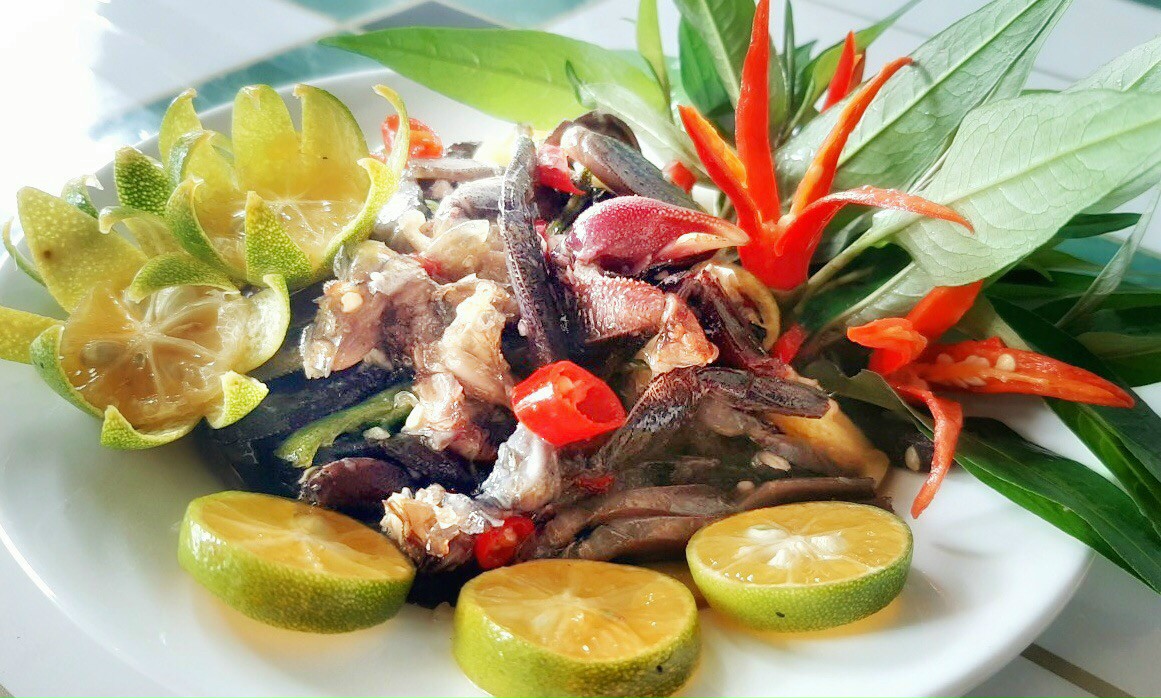
Layer upon layer of dark-green fiddler crabs sit submerged in brine inside a fermenting jar -- lift the lid and a pungent, savory aroma rushes out. This fermented-crab craft was recognized as national intangible cultural heritage in 2019, and it's the souvenir visitors most associate with Ca Mau, though its true home lies beyond the city, in Rach Goc town.
Cross-confirmed by three state media outlets as a national intangible cultural heritage craft
The Vietnam News Agency's ethnic-and-highland-affairs magazine, the People's Army Newspaper, and the Vietnam Craft Village Association cross-confirm that in December 2019 the Ministry of Culture, Sports and Tourism recognized the "Rach Goc fermented fiddler crab" craft as national intangible cultural heritage, with a public announcement ceremony held by Ca Mau's provincial culture department and Ngoc Hien district's people's committee on June 23, 2020 -- a rare case in this guide where the fermentation craft itself, not just the dish, carries the heritage recognition.
Honest clarification: the core production area is Rach Goc town in Ngoc Hien district, not within the city's own territory
It has to be said honestly that this heritage craft's core production area is Rach Goc town under Ngoc Hien district, also found in fermenting workshops across Nam Can, Dam Doi, and Phu Tan districts -- none of it within Ca Mau City's own territory. The city is the point of sale visitors and locals associate with "Ca Mau's representative fermented crab." This entry honestly discloses that the production origin is not within the city, rather than attributing Rach Goc's recognition to the city itself.
How to Eat It Like a Local
- Markets and souvenir shops across Ca Mau City widely sell jarred fermented crab, a good souvenir for a long trip.
- The traditional way to eat it is to tear the shell open and dip it straight into a chili-lime sauce -- savory and bold.
- To see the most authentic fermenting process in person, plan a trip to the workshops around Rach Goc town in Ngoc Hien district.
An Honest Look at This Fermented Crab's Origins
- The national heritage recognition explicitly records the core production area as Rach Goc town in Ngoc Hien district, not within Ca Mau City's own territory.
- The city is where visitors mainly buy and taste it, not where the craft originated.
- Fermenting workshops are also found in Nam Can, Dam Doi, and Phu Tan districts -- this entry does not narrow the craft down to a single shop.
Tear open a piece of savory fermented crab and the sharp, pungent aroma bursts on the tongue. This craft earned its place on the national heritage list through generations of Rach Goc's fermenters, watching the mangrove tides and doing this work day after day.