
A light, sweet broth without any heaviness, chewy noodles with a satisfying bite — this is hủ tiếu Mỹ Tho, another noodle lineage found in Ho Chi Minh City, standing alongside the richer hủ tiếu Nam Vang as one of southern Vietnam's two great noodle soup traditions, though the two are often mixed up in casual write-ups.
History and lineage: where My Tho noodle soup comes from
The "Mỹ Tho" in hủ tiếu Mỹ Tho refers to a city in the Mekong Delta. This noodle dish came to Saigon with immigrants from that region, bringing a lighter, sweeter broth style, along with noodles that are finer than the Nam Vang version — making it its own distinct lineage within southern Vietnam's noodle soup tradition.
Honest correction: the anchor shop featured here is often loosely referred to online as an "old Nam Vang noodle soup shop," but after verification, its actual specialty is the lighter, sweeter Mỹ Tho style — a different lineage from the richer Nam Vang style covered in the previous entry. The two are frequently mixed up in casual write-ups; this guide lists them separately, each paired with its correctly matched anchor shop, to avoid confusion.
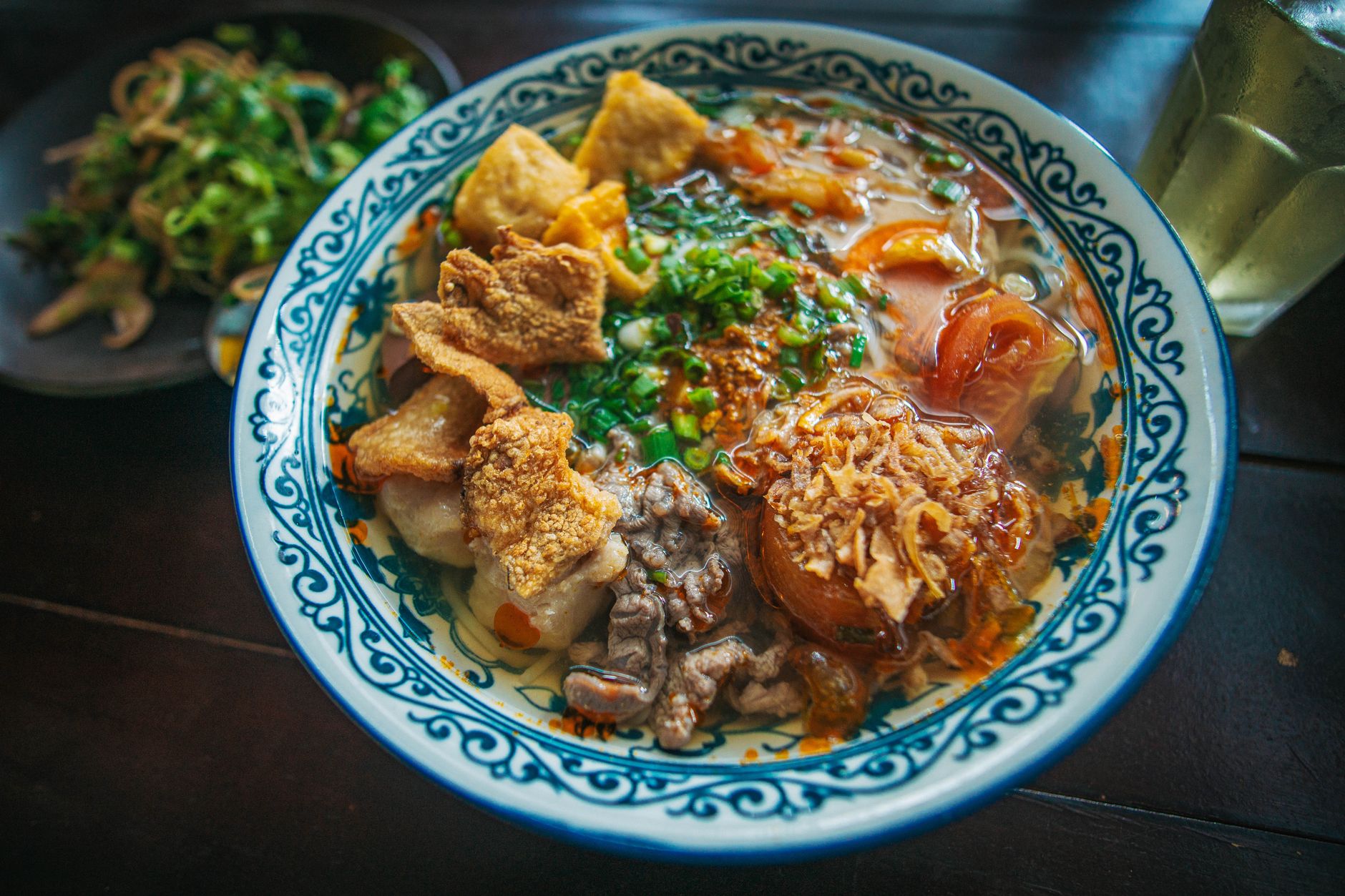
How to eat it like a local
Anchor restaurant and other classics
The anchor shop, Hủ Tiếu Mỹ Tho Thanh Xuân, was founded by Đỗ Văn Khuê after he moved to Saigon from Mỹ Tho in the Mekong Delta in 1946, and has been running for nearly 80 years. Locals affectionately call it "Chùa Chà noodle soup" (named for its proximity to the local Indian temple). Several mainstream Vietnamese outlets have independently reported on its history, though no direct endorsement from the official tourism board or Michelin Guide has been found for this specific shop.
Around Ben Thanh Market in District 1, several other decades-old Mỹ Tho or Nam Vang noodle soup shops can also be found. If you want to compare the two lineages, consider visiting both on the same trip.
Practical info
Prices and hours (verified July 2026)
- A bowl costs about 45,000–90,000 VND (roughly NT$55–110).
- Thanh Xuân is generally open daily from around 6am to 1pm, making it a breakfast-and-lunch-only spot — basically unavailable by afternoon.
Local know-how
- One phrase to order: "Cho tôi một tô hủ tiếu Mỹ Tho khô" (One dry-tossed Mỹ Tho noodle soup, please).
- This is a different lineage from Nam Vang noodle soup — worth confirming the shop's style with staff before ordering to avoid mismatched expectations.
- Hours run early, so it's best to schedule this dish as breakfast or brunch.
Compiled from mainstream Vietnamese outlets like Thanh Niên, kenh14.vn, and afamily.vn. Prices and hours are based on information verified in July 2026; as no direct endorsement from the official tourism board or Michelin Guide was found for this specific shop, the evidence strength is honestly noted as moderate.